Selections from The Sage Project: Hannibal Square Elders Tell Their Stories,
2012-2025
“There is an elder in the making in everyone, but it is most visible in those who have the receptivity to listen to the stories of others.”
---Malidoma Patrice Somé, The Healing Wisdom of Africa
The idea of creating the Sage documentary project started with a realization by the Hannibal Square Heritage Center team that the existing collection of historic photographs and oral histories all depended on historical photographs in the personal archives and albums of the community’s residents. It was thought that there were many elderly residents who had great stories and life experiences to share with the community but had no photographs to back it up. Local community historians Fairolyn Livingston and Mary Daniels invited me to be part of the team who would document the culturally rich stories of life in Winter Park’s segregated community—one of America’s oldest Black townships—during the 20th century. Starting in the summer of 2011, the Sage Project team conducted oral history interviews and captured environmental portraits and video content from Sages ages 85 to 106. Over the next 14 years the team produced three distinct phases of the stories and portraits of 40 residents in Winter Park’s west side community, located just outside the sprawling Orlando urban landscape and the world-renowned theme parks.
The collection of 40 archival photographic prints and oral histories provide a view into the determination and quest for conditions to be close to family, and to attain employment, home ownership, education and professional advancement. Sages relayed that during their youth, those who completed the eighth grade offered in the community had three choices for higher education: Jones High School in Orlando; Hungerford Boarding School in nearby Eatonville; or leave town. They shared how their parents passed along their belief in the love of God and the importance of love for neighbors, as well as the strict expectation that academic excellence and hard work were a priority.
The Sages also emphasized the influence of wealthy white employers. Those who moved to the area during adulthood exhibited a high level of grit; some having left farming areas in North Florida, Georgia, and Mississippi. Many came between 1942 and 1952; they worked in the homes of white families, Winter Park High School, Rollins College, and on Park Avenue. They owned and operated a dress shop, a flower shop, and home-based seamstress services.
The initial research for the photography started with a careful consideration of the environment which would be most comfortable to the Sage participant and most significant in terms of their life experiences in Winter Park. As a result, the documentary photography sessions were set up in their homes, churches, or other places in Winter Park that held special meaning for each Sage. After the initial quick digital studies of each location, the exhibition images were created with conventional black and white film, using vintage professional 120 format cameras. The entire project was photographed with existing, mostly natural light, using a tripod and often very slow exposures. A set of hand-made, archival prints were the result of dozens of hours of processing and finishing in the darkroom at Crealdé School of Art. The archivally matted and framed silver-prints now form a permanent addition to the collection of the Hannibal Square Heritage Center. An identical matted exhibition print was given as a gift to each Sage who participated in the project.
The new images and stories are an important link to the past, adding a richer dimension to the preservation of history for future generations. The photographs are intended to portray the Sage’s strong, independent spirit that resulted from a life rooted in faith, love for family, and what one Sage referred to as “generally healthy living.” In many ways, they liv—in an exemplary way—the dream we all want to live: a long and happy life with dignity and independence until our “crossover to glory.”
Special thanks go to the Sage Project elders for graciously allowing us into their homes and lives. Our hats are off to supportive families of the Sages for the roles they played in helping the Sages remain strong, vibrant members of the community.
The award-winning Hannibal Square Heritage Center is located at 642 West New England Avenue in Winter Park, Florida. Admission to the visiting exhibitions and permanent collection is free. Opening hours are Tuesday through Friday 12 - 4 pm and Saturday 10 am - 2 pm. Their phone number is 407-539-2680.
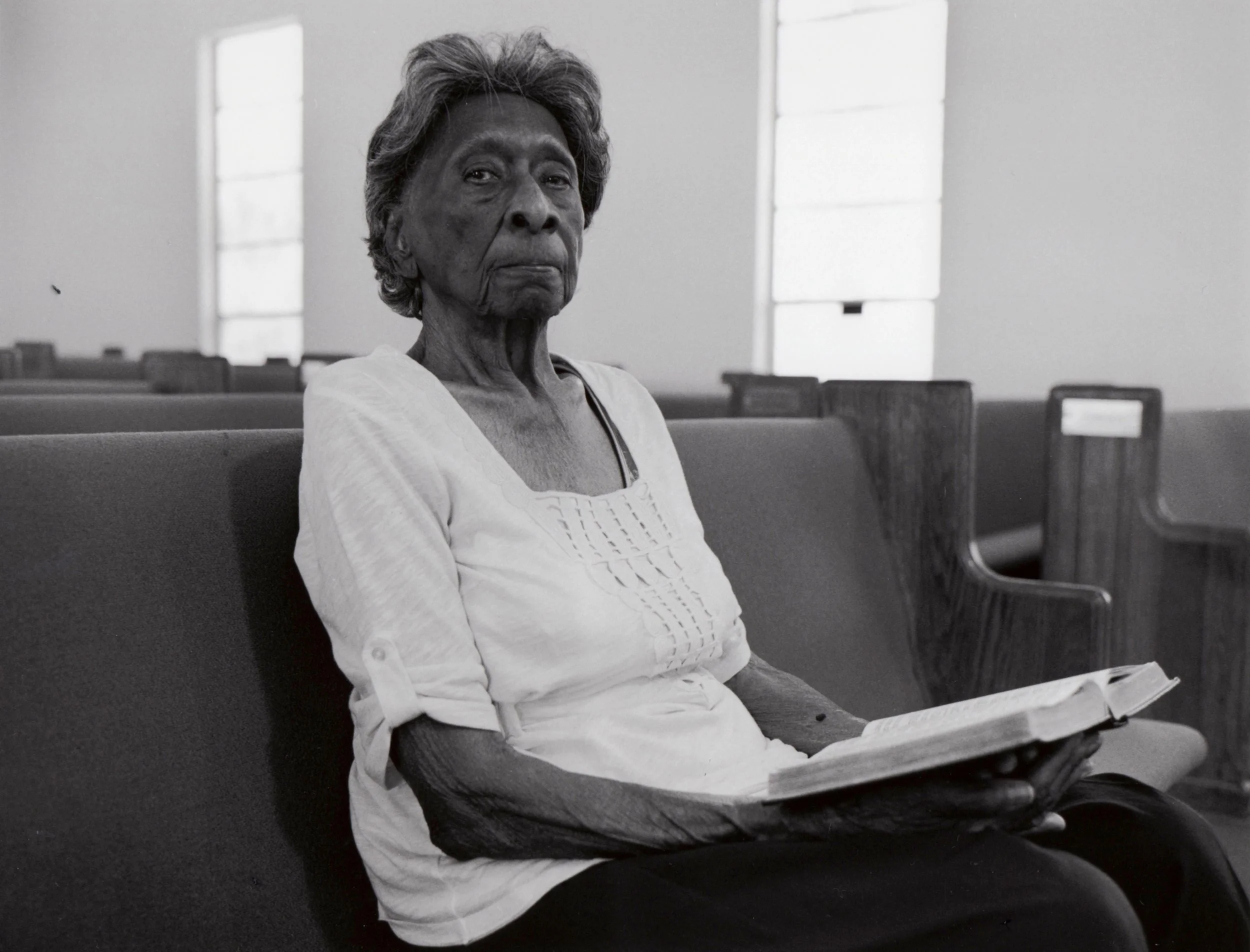
Mrs. Evelyn Williams James at the age of 100, visiting her former home and church, Ward Chapel, from Washington state where she lives with one of her children. Winter Park, Florida, 2011
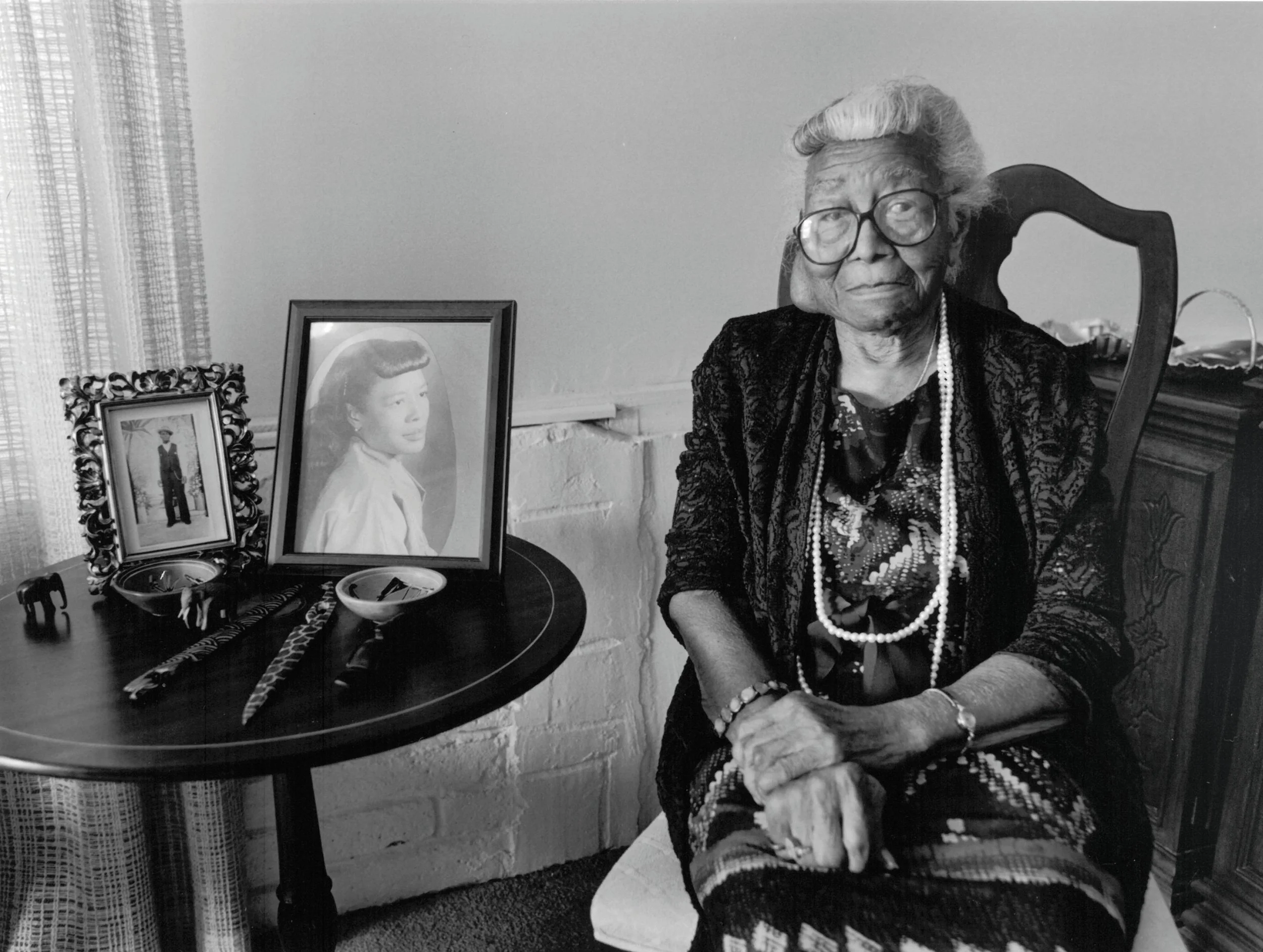
Mrs. Ella Mae Talbert in her favorite sitting room. Originally from South Carolina, she moved to Winter Park in 1938 where she married James Talbert and worked in the home of former Winter Park Mayor, Raymond Green for 54 years. Winter Park, Florida, 2015
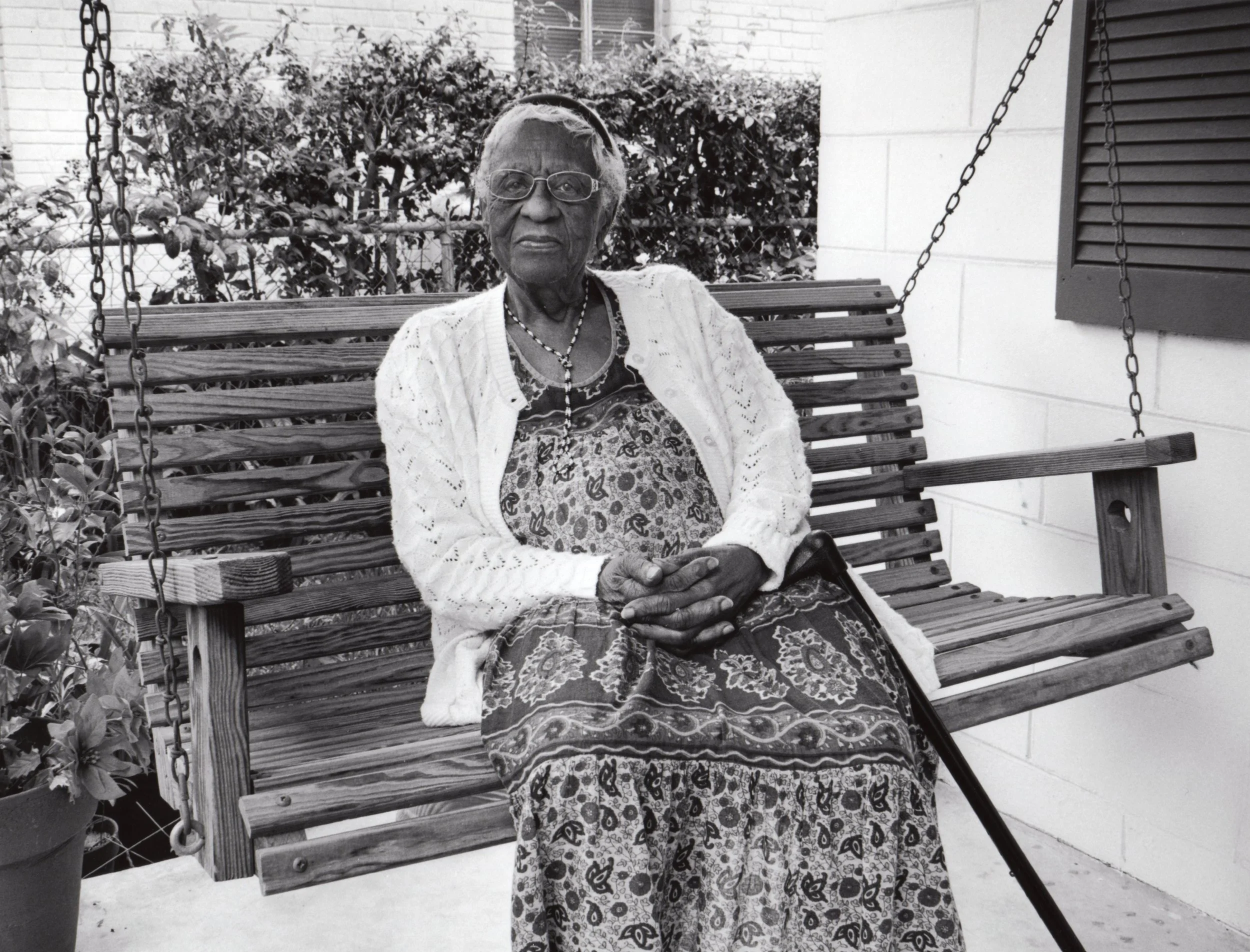
Mrs. Mable Rosa Lee Clark Woodard on the front porch of the home built by her children in 1991 as a gift to her. Winter Park, Florida, 2012
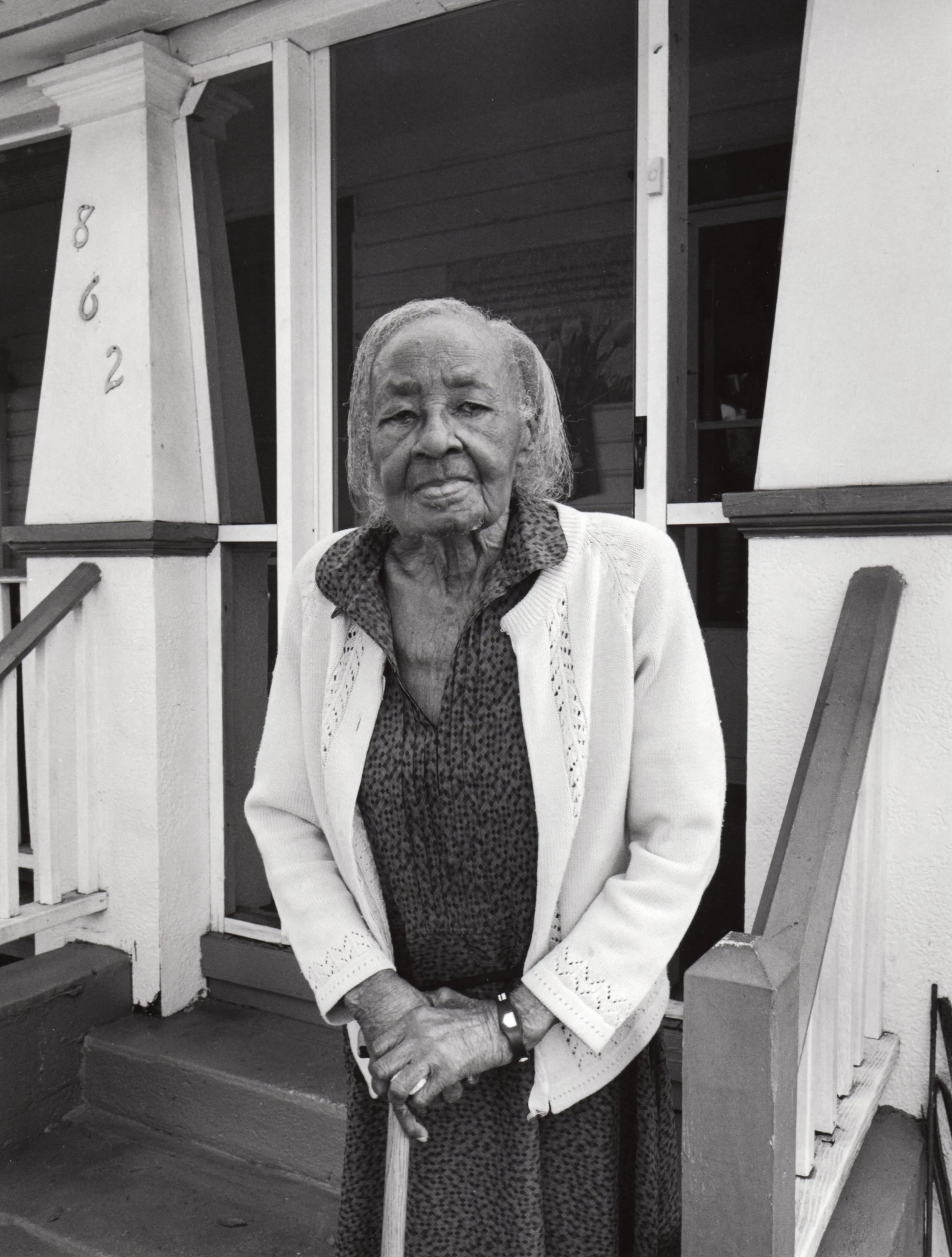
Mrs. Katherine Ford, age 107, at her Comstock Avenue Home where she has lived since 1962. Winter Park, Florida, 2012
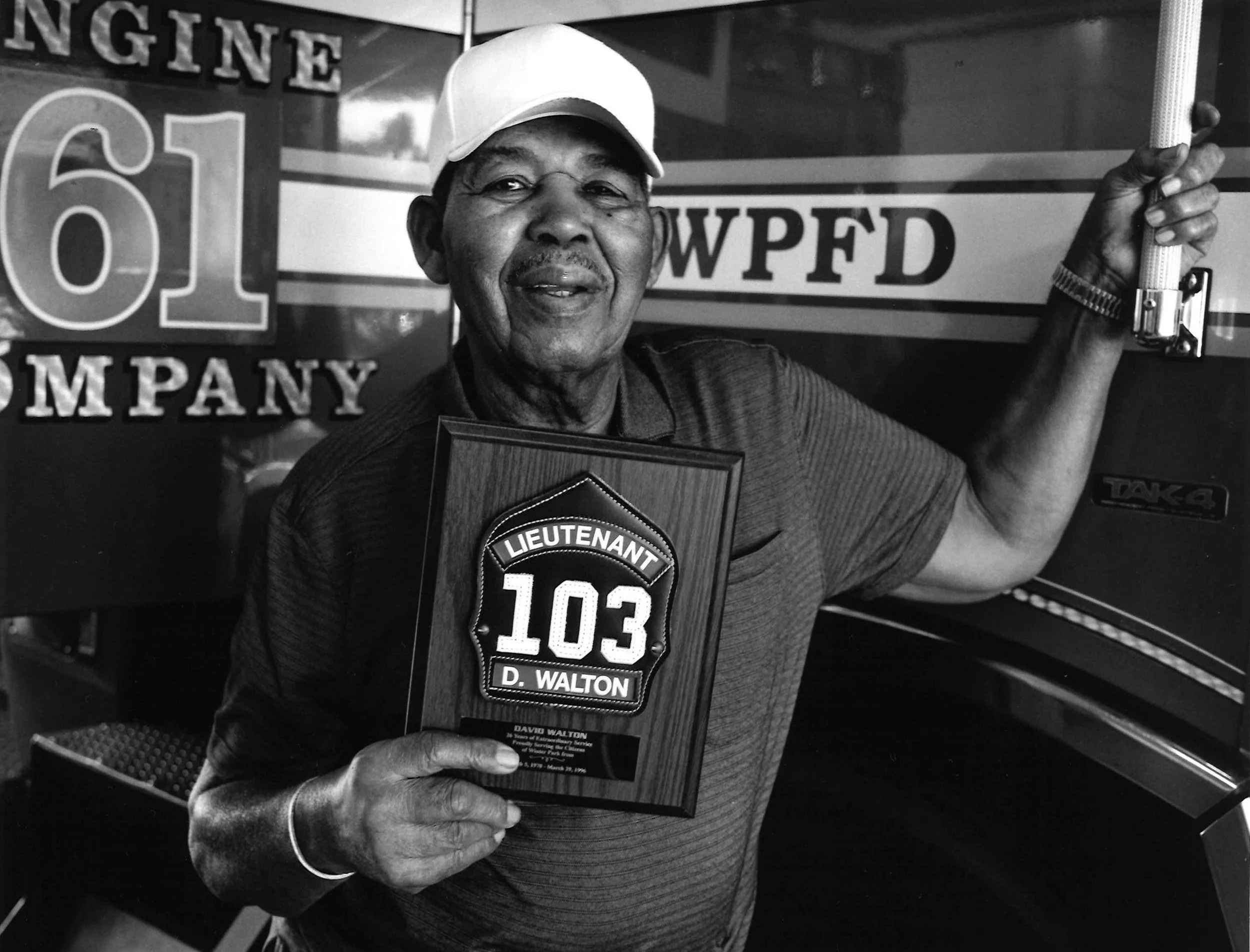
Lieutenant David Lee Walton Jr., the city's first African American firefighter. Winter Park, Florida, 2018
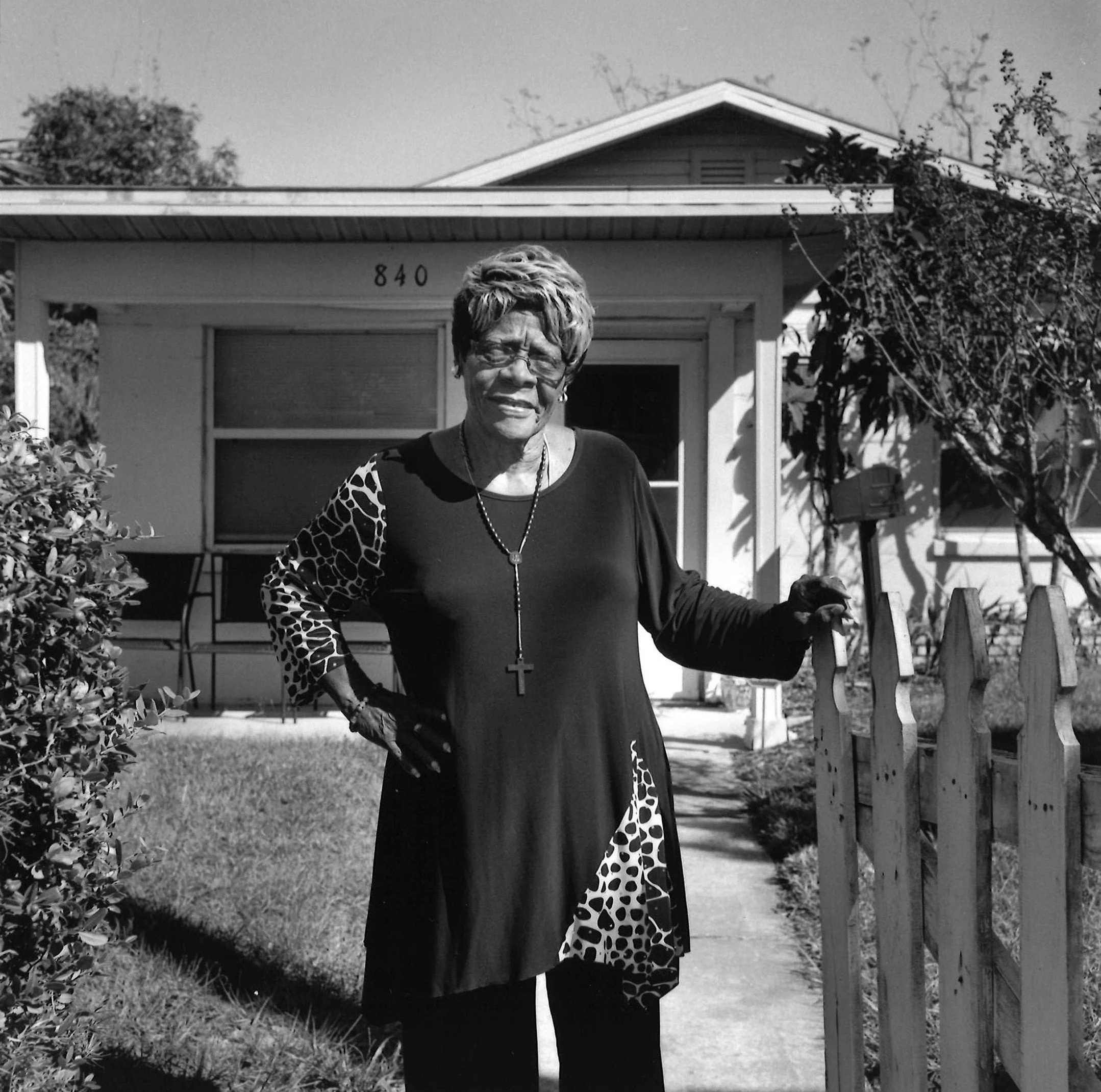
Mrs. Luvenia Paul Paige in front of her Carver Street home, photographed one month before her passing. Winter Park, Florida, 2018
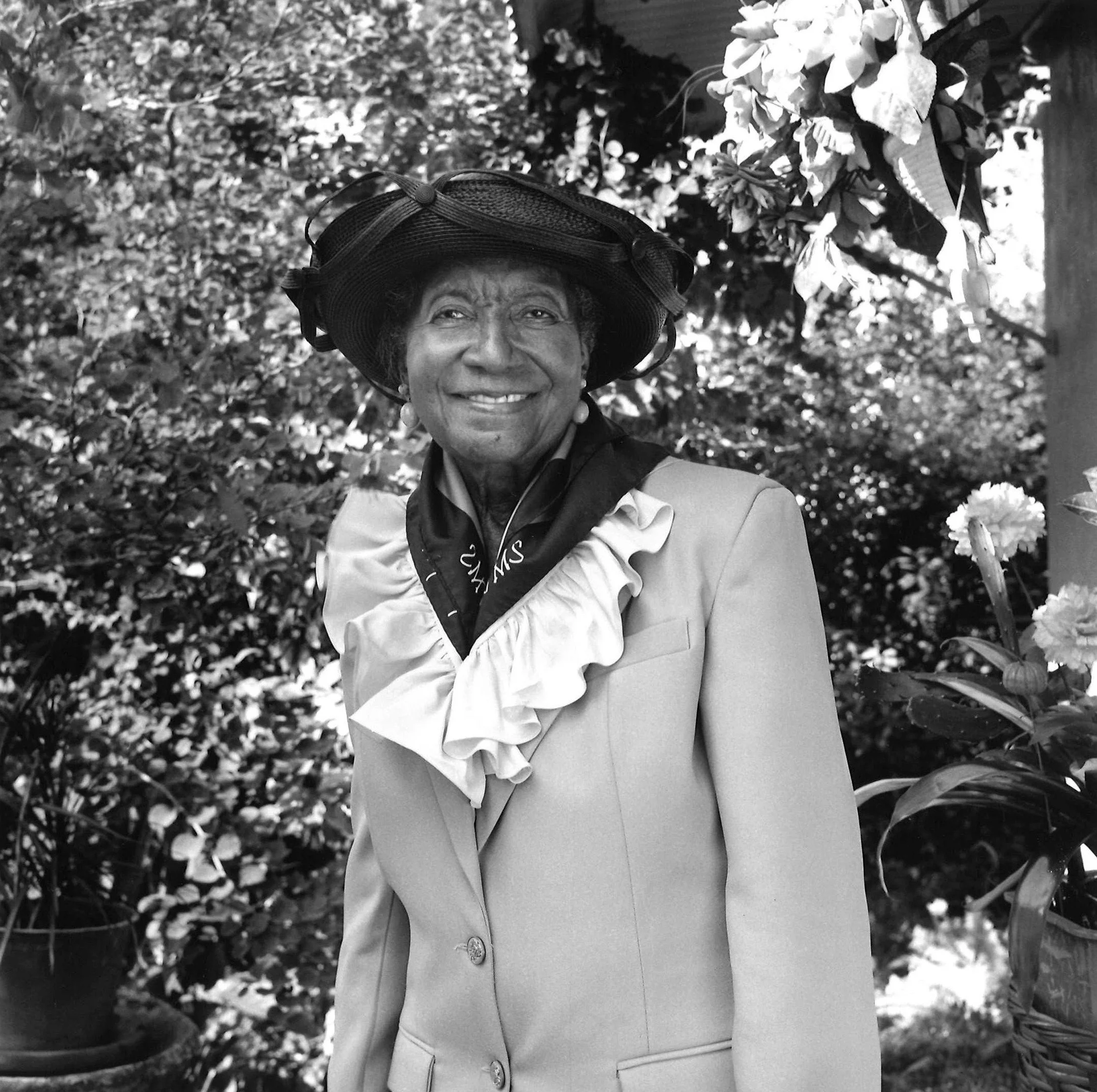
Mrs. Glenn Lenora Smith Franklin in her Lyman Avenue garden. Winter Park, Florida, 2018
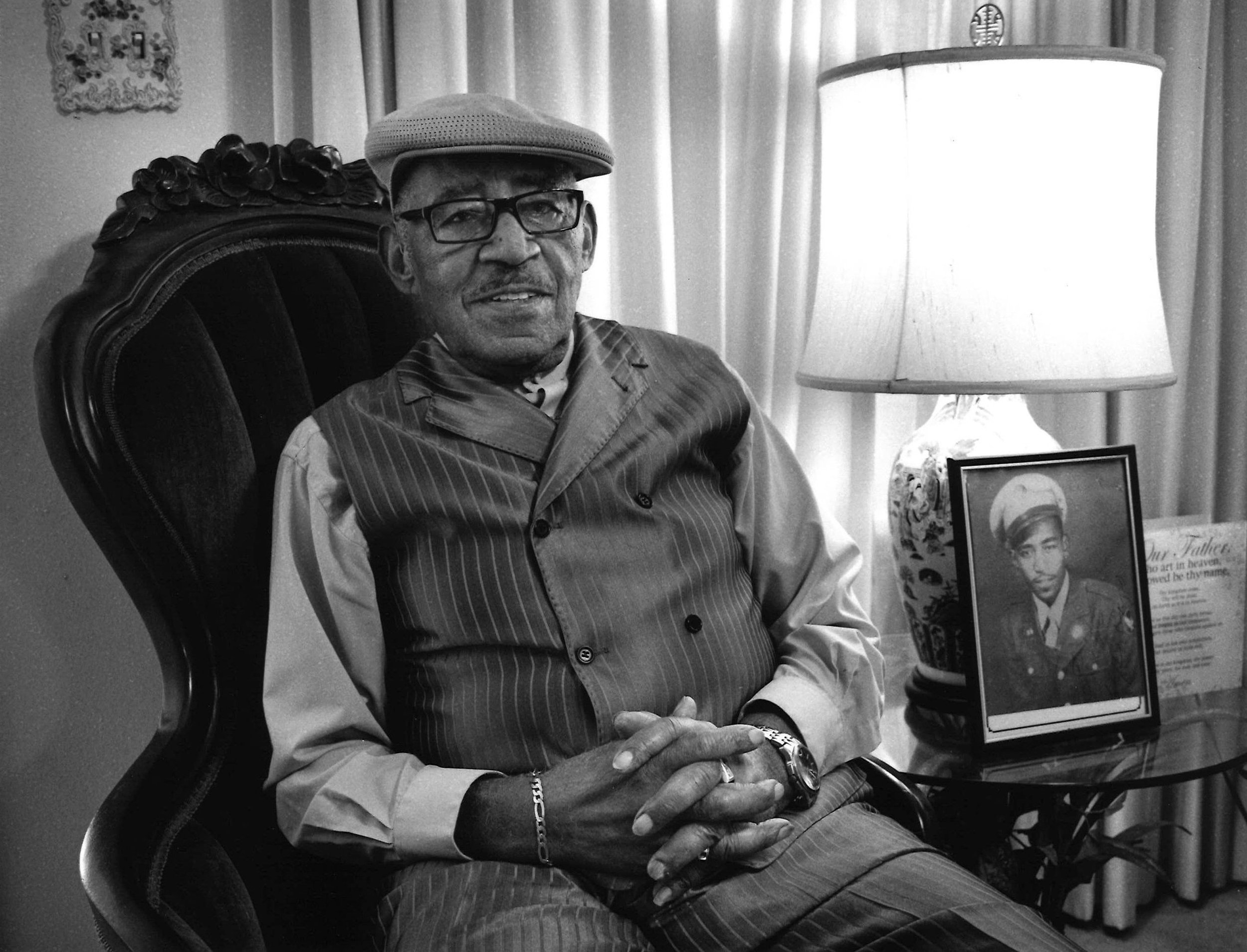
Reverend Alphonzo C. Cobb in the living room of his home where he and his late wife, Rozella Wilson Cobb, lived for 62 years of marriage. Winter Park, Florida, 2018

Mrs. Ernestine Ingram at the Ideal Woman's Club where she served as president for 30 years. Mrs. Ingram started working at Leedy's Dress Shop in 1957, where she became the first Black clerk in a front-line position on Park Avenue, an upscale shopping district in the deeply segregated city of Winter Park. Winter Park, Florida, 2025

Mr. Earnest Manning at Mt. Moriah Missionary Baptist Church where he serves as a steward and as a youth mentor. Mr. Manning served in the U.S. Army and retired as the Assistant Director for City of Winter Park, Parks & Recreation Department, after a 40-year career. Winter Park, Florida, 2025

Activist Mrs. Martha Olivia Bryant Hall sitting on the front porch of Prayer Mission Church. Winter Park, Florida, 2025

Mrs. Otelia Hortense Jones Banks at Ward Chapel AME Church, where she grew up and became an ordained evangelist. Winter Park, Florida, 2025